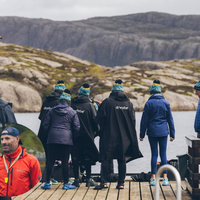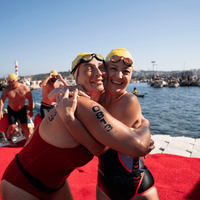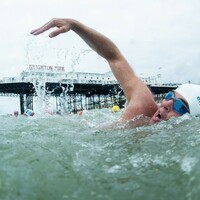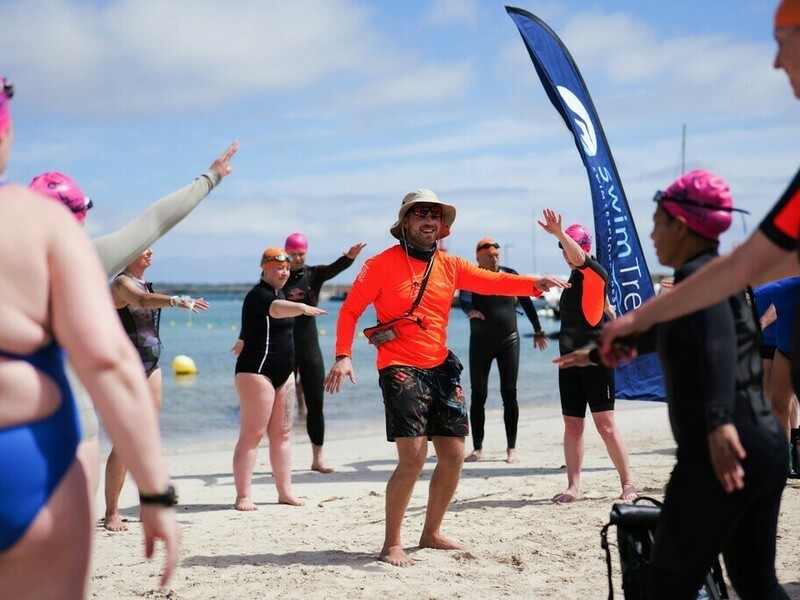
There’s nothing quite like the freedom of open water swimming. From the thrill of diving into a tranquil lake or exploring a rugged coastline to the buzz of crossing a finish line, swimming outdoors offers a real sense of adventure. The good news? You don’t need to overhaul your pool technique to make the transition.
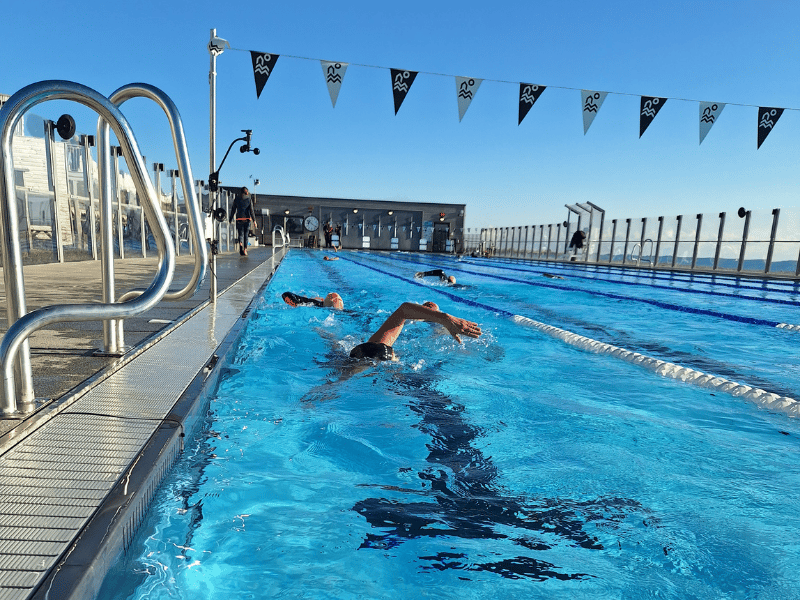
POOL vs OPEN WATER: WHAT’S THE DIFFERENCE?
The key differences between pool and open water swimming are:
- Temperature
- Visibility/ Navigation
- Weather Conditions
- Support/ Safety
While the fundamentals of swimming stay the same, open water brings a few new skills into the mix. Without lane ropes, walls or a black line to follow, you'll need to navigate your route, adapt to changing conditions and work with the natural environment. Mastering these skills will help you swim with more confidence, efficiency and enjoyment.
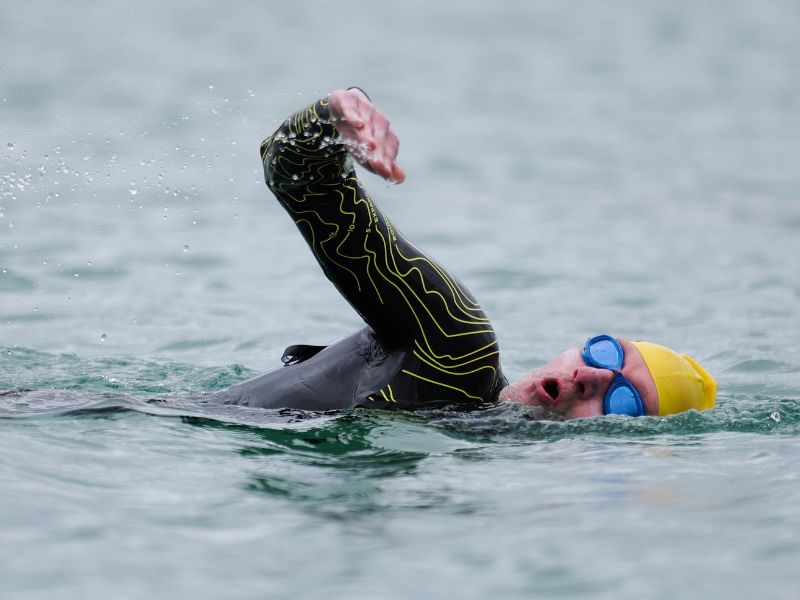
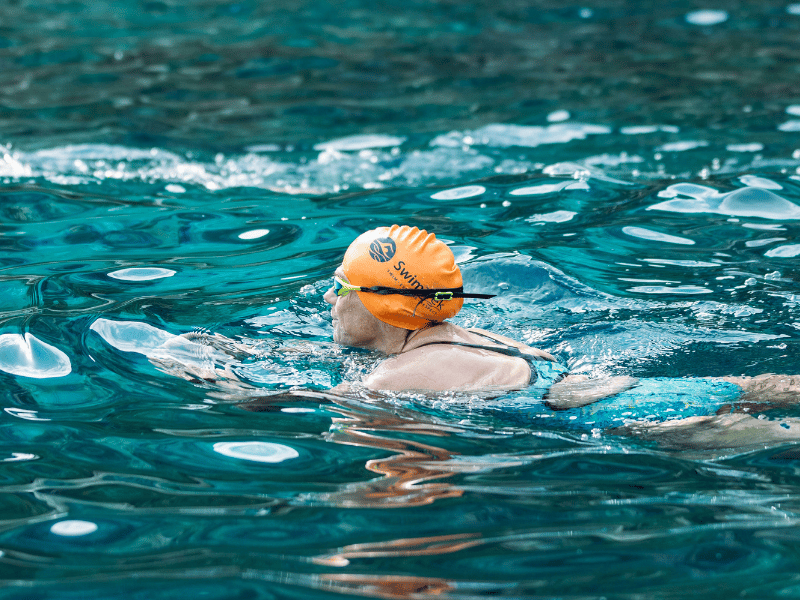
1. ACCLIMATISE TO COLDER WATER
Open water is often much colder than a swimming pool, even during the summer.
Build your exposure gradually and give your body time to adapt. When entering the water, take it slowly, wet your face and hands first, and ease into your swim rather than sprinting from the start. Wear a good quality swim cap and if you’re wearing a wetsuit, make sure it fits well. Warm up immediately after exiting the water.
Top tip: Try to get into colder water regularly and try to build up the time spent in the water.
2. MASTER THE ART OF SIGHTING
Unlike the pool, there are no lane ropes to keep you on track and visibility may vary
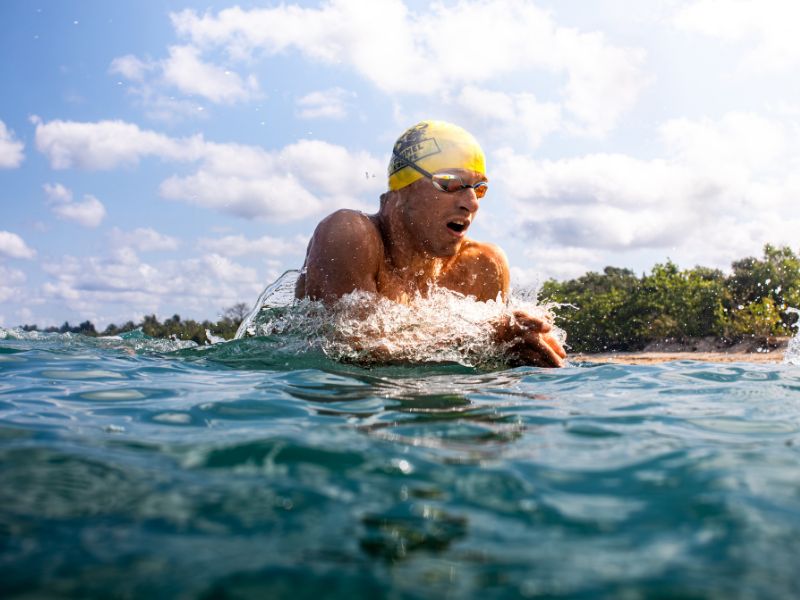
The first thing that you will probably notice once you have adjusted to the colder water is the relatively poor visibility in the water. Even if the water is clear there will be no lane ropes running in nice straight lines down the pool. Learning to "sight" is one of the most important open water skills.
Sighting Method 1:
- As one arm extends and enters the water at the front of the stroke, begin to lift your head.
- Press down with the leading hand to bring your face clear of the water.
- You can take a breath at this point and orientate yourself at the same time.
- Drop the head back into the water as the other arm recovers over the water.
*This method has the advantage of enabling you to lift your head higher out of the water, but can have problems in choppier water where breathing to the front can be difficult.
Sighting method 2:
- As your arm begins its recovery, take your breath at the normal time.
- Start to lift your head as the arm begins to enter the water.
- Lift your head sufficiently to orientate, raising your eyes above the surface as the hand starts to press down.
- Drop the head back into the water and continue with stroke cycle.
*By taking the breath before sighting, it can make the action feel less rushed and also reduces the risk of getting a mouthful of water. However this option doesn’t allow you to gain the height of the first method.
Top Tip: Sight often enough to stay confident in your direction, but not so often that it breaks your rhythm. In calm conditions, every 10 to 20 breaths may be enough. In choppier water, you may need to check more frequently.
3. CHOOSE SMART NAVIGATION POINTS
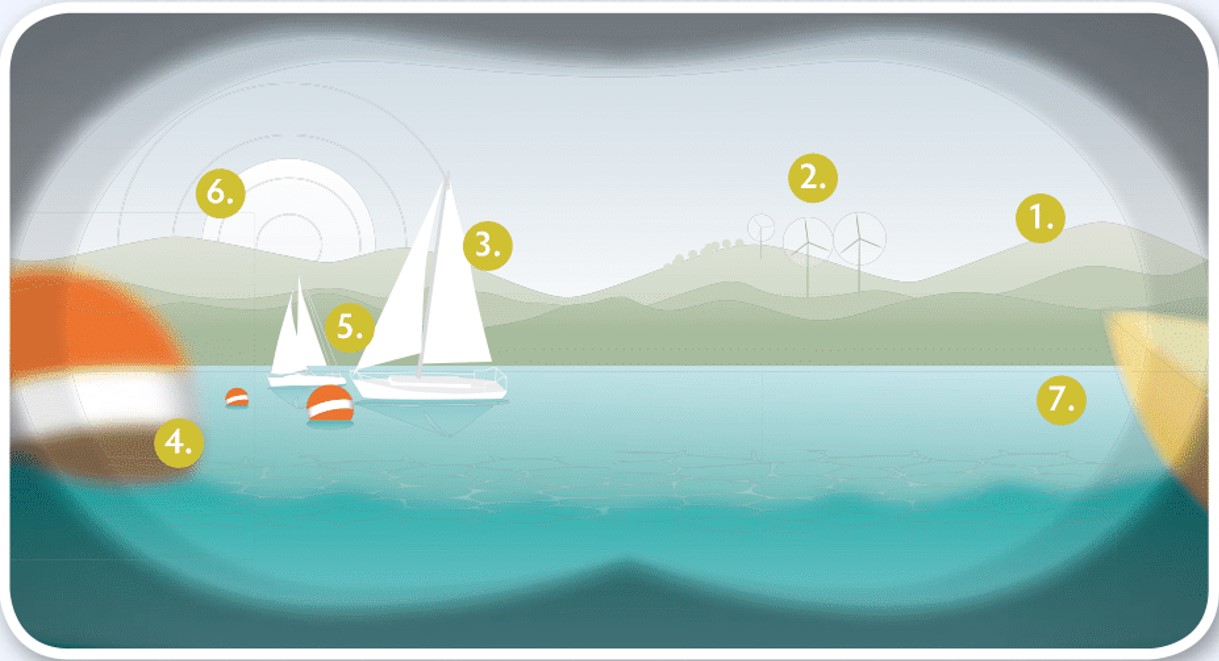
When swimming longer distances, pick large, stationary landmarks to guide you.
Buildings, bridges and distinctive structures work well. Avoid using moving targets such as boats, and remember that waves, glare and changing weather can affect visibility. Objects low in the water may become obscured by waves or swell. Beware: distances may be difficult to judge. If the sun is directly ahead, use landmarks to either side of your route
Top tip: The prevailing weather conditions and the position of the sun can combine to cause a wide range of light conditions at the water surface. This can compromise visibility if you don’t have appropriate eyewear. It is worth investing in 2 pairs of goggles: 1 tinted pair – for bright or high glare conditions (morning/evening) 1 clear pair – for low light or overcast conditions
4. BE PREPARED FOR CHANGING CONDITIONS
Open water can change quickly. Wind, waves, rain and bright sunshine all influence your swim experience.
Before every swim, check the forecast, understand the conditions and know your exit points. If conditions deteriorate or feel outside your comfort zone, there is no shame in cutting a swim short.
The best open water swimmers adapt to what they can't control and focus on what they can.
Top tip: If you're unsure about the conditions, ask the local lifeguards, safety team or experienced swimmers before you get in. Local knowledge can be invaluable.
5. NEVER SWIM ALONE
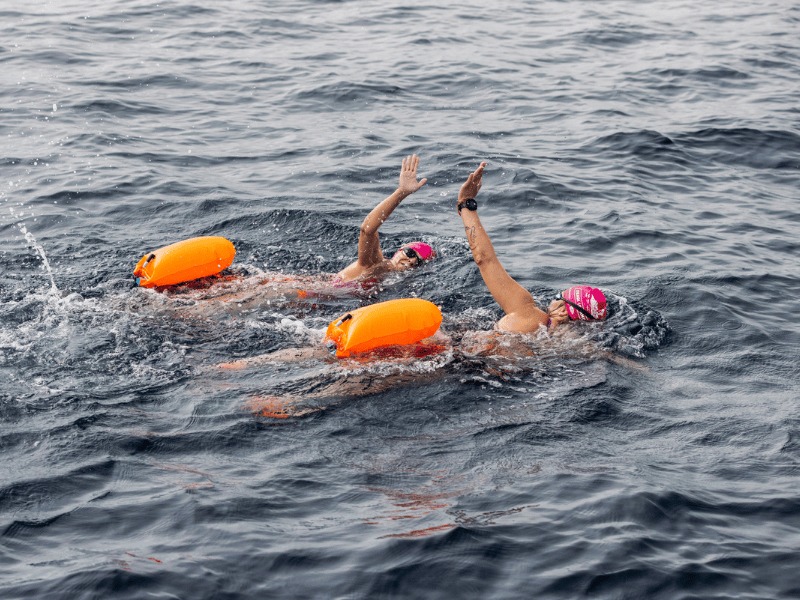
Probably one of the most important rules of open water swimming is: never swim alone.
There should always be someone at hand should you need their assistance.
Open water is a challenging environment, so difficulties such as cramp, hypothermia, anxiety, tiredness etc. can often require assistance to ensure they don’t escalate into a more serious situation.
Top Tip: Regardless of how good a swimmer you are or how confident you feel you should always have company or support. This could include any of the following: capable swimming friends, a coach, safety boat or kayak, training companions, lifeguards
READY FOR YOUR NEXT SWIM?
Open water swimming is about more than fitness. It’s about adventure, exploration and experiencing the water in a completely different way.
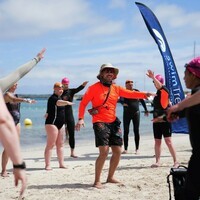
These are some of the skills we share on every Open Water Coaching Camp: helping swimmers become more confident, capable and comfortable in the water.
Whether you’re preparing for your first open water swim or event, or a SwimTrek adventure , these techniques will help you enjoy every stroke. Because open water swimming isn’t just about swimming further, it’s about discovering the freedom that keeps us coming back.
If you want more open water swimming tips, as well as advice on swimming techniques and training plans, feel free to download our Introduction to Open Water Guide.