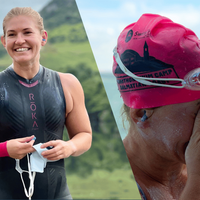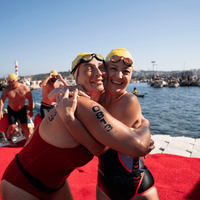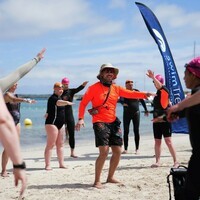
It is very early morning on Shakespeare Beach in Dover. The sun has not yet risen. The sea is dark and cold, and the air is quiet except for the sound of small waves on the stones.
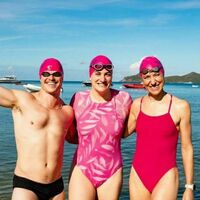
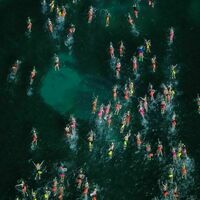
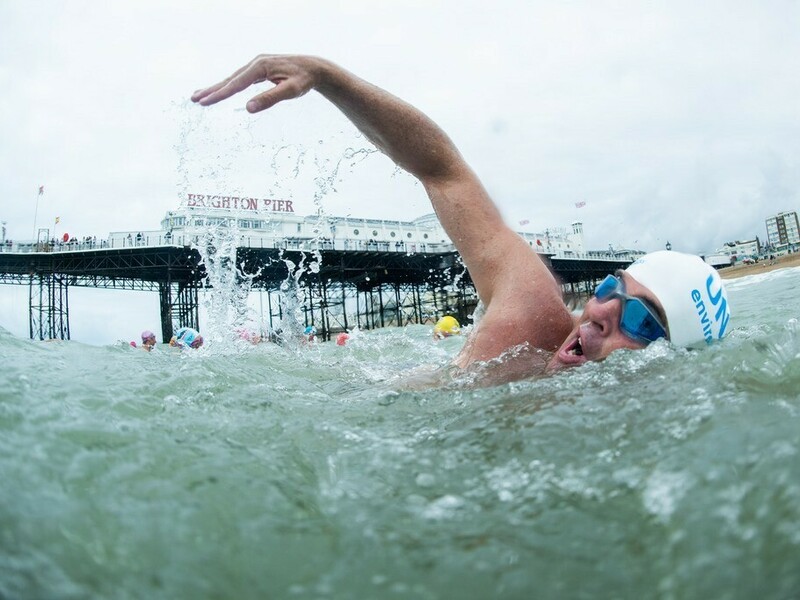
A few swimmers stand on the beach waiting to begin their English Channel swim. They feel a mixture of excitement and nerves. Months, sometimes years, of training have led to this moment.
Many are also raising money for causes close to their hearts – mental health, cancer research, children’s hospices and animal shelters. Often these causes are born out of love, loss or gratitude. When the water turns cold and the hours grow long, swimming for a purpose matters. It is what carries people forward when their shoulders ache and doubt creeps in.
I understand that deeply.
From Land’s End to Dover
I grew up in Plymouth beside the English Channel. Back then there was a large fishing fleet and the sea seemed full of life. It felt vast and dependable. I do not remember seeing any plastic on the beaches when I was a young boy.
Over the years, that began to change. The Channel became busier and more pressured. By then I had realised that swimming could be more than a sport or a personal challenge. It could also carry a message.
“...the sea seemed full of life. It felt vast and dependable. I do not remember seeing any plastic on the beaches when I was a young boy."
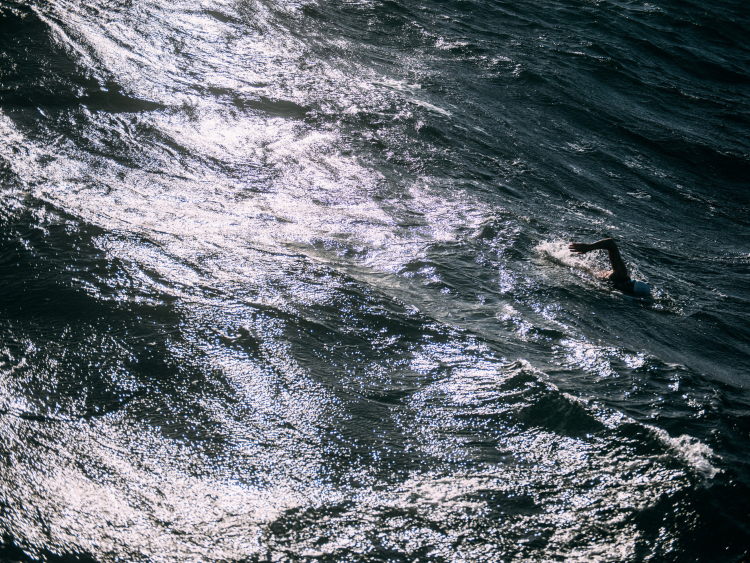
In 2018, I decided to swim the full length of the English Channel. Not across it, but along it. From Land’s End to Dover, a distance of 528 kilometres. It took forty-nine days. My purpose was simple. I wanted to urge governments to protect at least 30 per cent of the world’s oceans by 2030. At the time, only a tiny part of British waters was fully protected; much of the rest was open to industrial fishing and other extractive activities. Yet these waters are home to remarkable wildlife: there are whales, dolphins, puffins, kelp forests and cold-water reefs. I wanted people to see that our seas are worth protecting.
Storms, jellyfish and doubt
The first week of the swim was beautiful. The Cornish coast was golden and calm. When I reached Plymouth, swimming past the waters that had shaped my childhood felt like a homecoming.
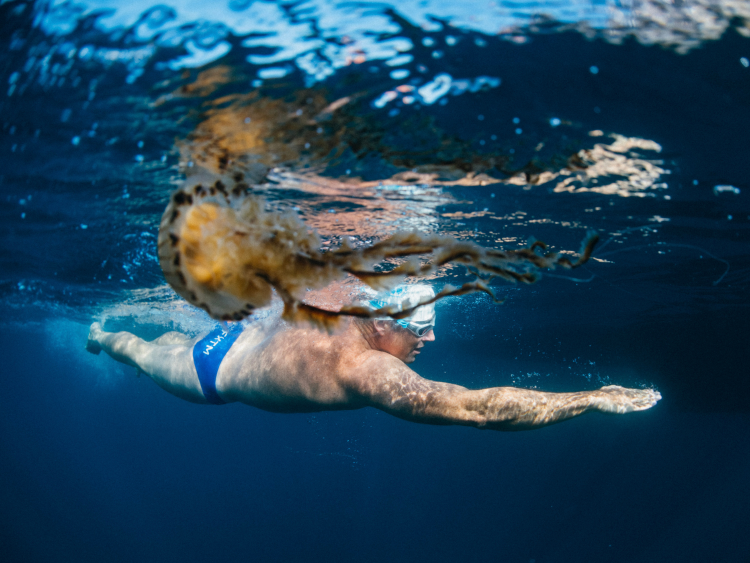
But endurance swimming always tests you. Crossing Lyme Bay, the sea was thick with jellyfish. Later, after the halfway point near Portsmouth, the weather turned. Storm followed storm up the Channel, and some days it was too dangerous to swim.
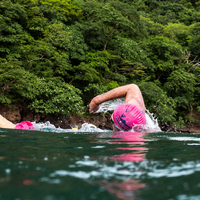
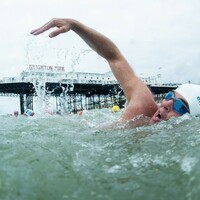
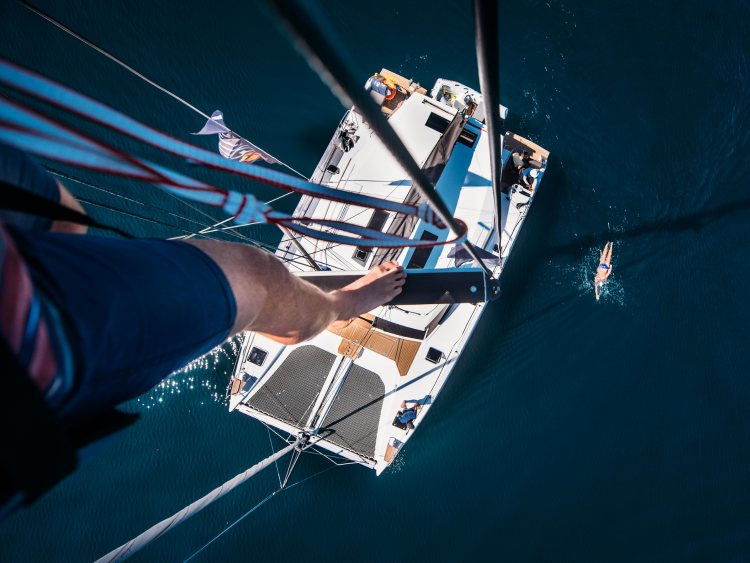
Seven weeks is a long time to be swimming. Your body grows tired and you begin to wonder whether you really have it in you to reach the end. Each morning, just before I got back into the sea for another day’s swim, I sometimes found myself asking, how on earth did I get myself into this?
When you swim for a record, discomfort can feel like the enemy. When you swim for something larger than yourself, discomfort becomes part of the journey. The cold still bites and your shoulders still burn, but your focus sharpens. You remember why you started.
"Seven weeks is a long time to be swimming. Your body grows tired and you begin to wonder whether you really have it in you to reach the end..."
Turning strokes into change
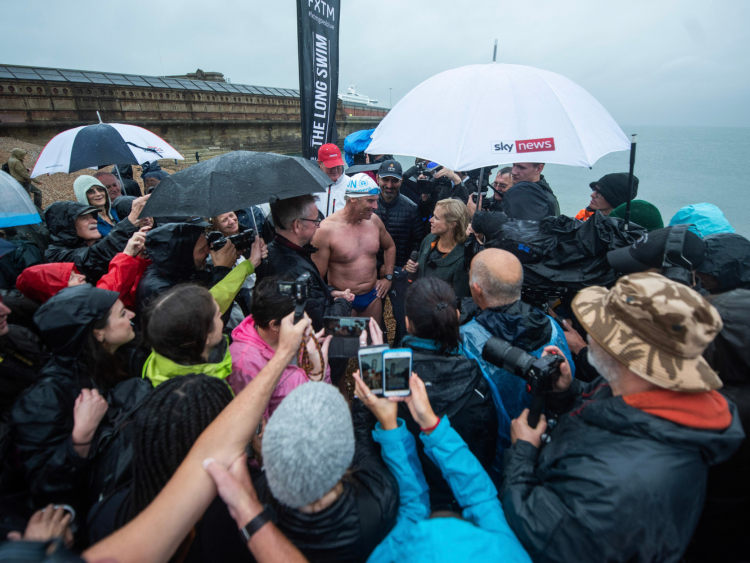
At last, I arrived in Dover. The Environment Minister, Michael Gove, was waiting on the beach. I explained that protecting at least 30 per cent of the ocean was essential for our future. Standing there on the shore, he committed the United Kingdom to that goal.
What happened next was remarkable. Shortly afterwards, at the United Nations General Assembly, the UK formally committed to this target. Other countries followed, and today the goal of protecting 30 per cent of the ocean by 2030 has become a global commitment. Of course, the work is far from finished. Promises must still be turned into real protection.
Why purpose matters
The lesson from that swim is simple. Purpose is powerful. It steadies you when the sea turns rough and carries you through the long middle stretch when the end feels far away. You do not need to swim 528 kilometres to discover that. But when you find something that truly matters to you, purpose will take you further than you ever imagined.
Every swimmer standing on the shore before a swim has their own reason for being there. So I will leave you with a simple question: what will you swim for?
"Every swimmer standing on the shore before a swim has their own reason for being there..."